When Jupiter became disgusted by humanity’s wickedness, he decided to flood the world and cleanse it. Noah’s ark may come to mind as another version of The Great Flood, but this one comes from the first book of Ovid’s Metamorphoses, the Roman poet’s magnum opus written in 8 CE.
Only two people survive Jove’s flood: Deucalion and his wife Pyrrha, a devout and genuine couple who drift in a small boat until it comes to rest on the peak of Mount Parnassus. Alone and surrounded by their echoes, they pray to restore the human race and finally receive directions from the higher ups.
“Veil your heads, loosen your robes, and throw the bones of your great mother behind you.”
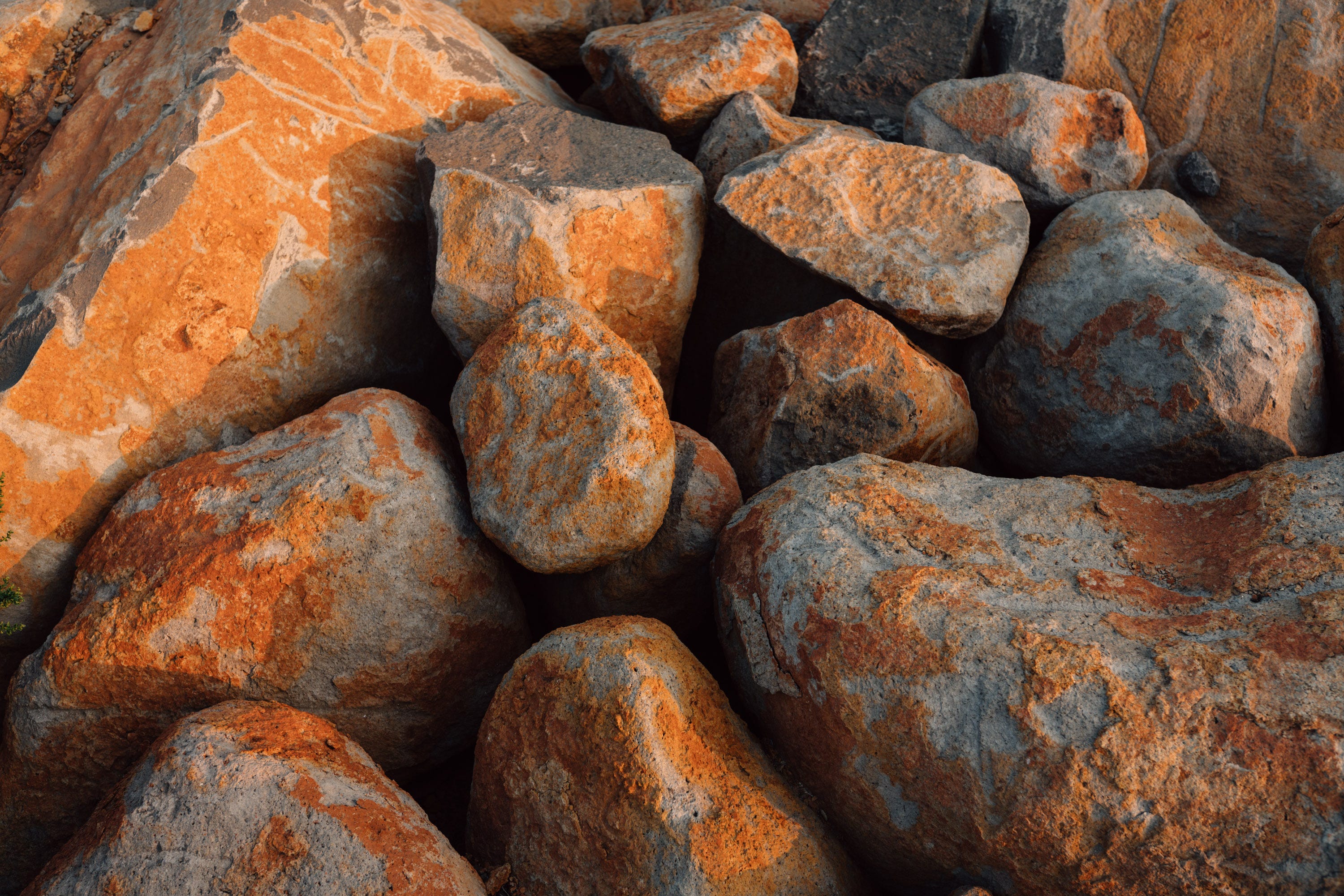
Bones? Of my mother? ‘Yeah, no shot,’ says Pyrrha. But her husband realizes the “great mother” is the Earth, and her bones are its stones. So they begin casting rocks over their shoulders, which become softer as they transform into humans and populate the world again (those that Deucalion throws become men and Pyrrha’s women). Ovid’s final observation hits home.
“And so our race is a hard one; we work by the sweat of our brow, and bear the unmistakable marks of our stony origin.” AKA, we’re tough as a rock.

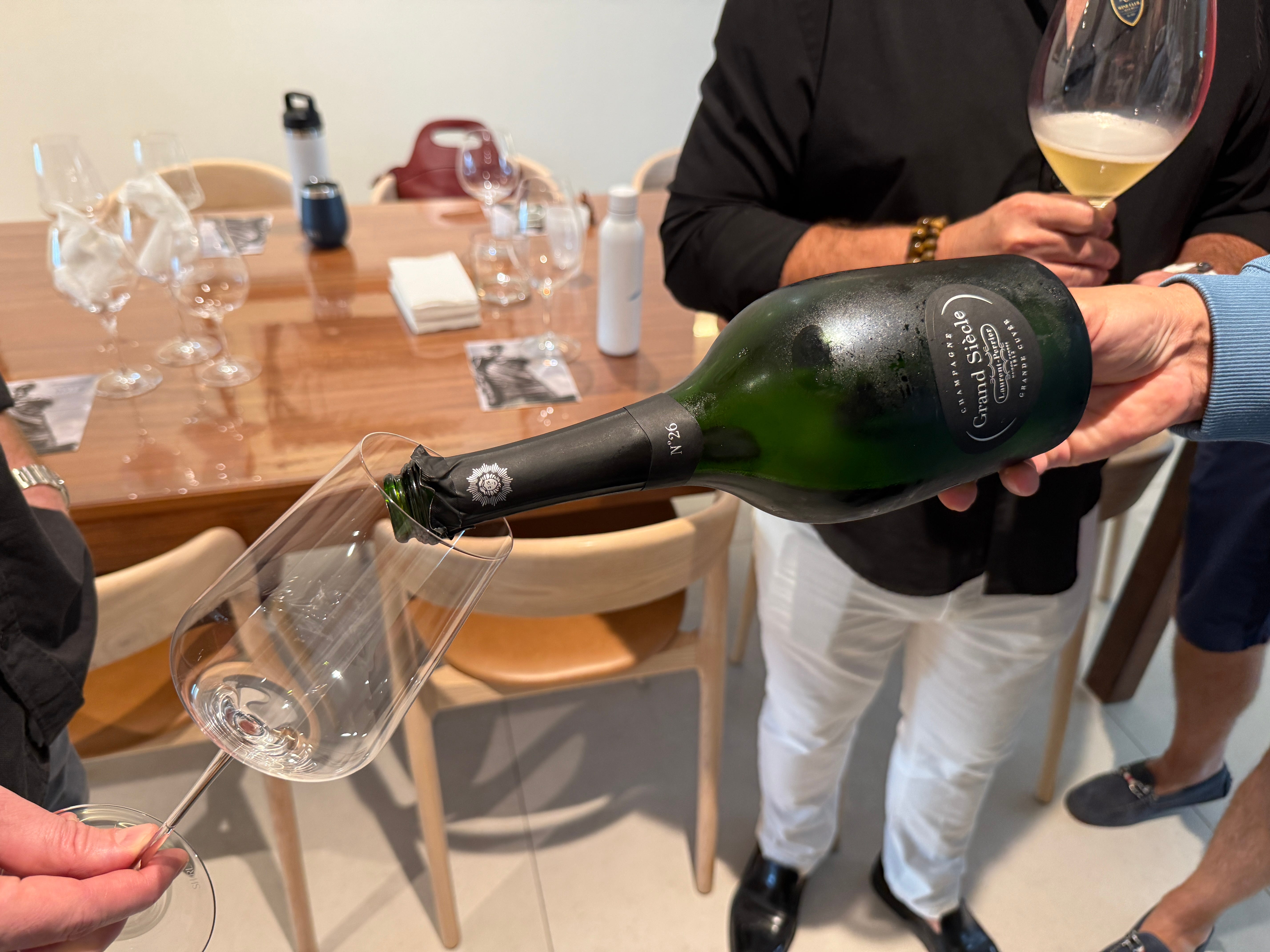
Following our regular two-month summer hiatus, we reconvened on Thursday, September 17th at 6:30pm and transported ourselves to one of Napa’s most prestigious wine zip codes through OVID Napa Valley’s incredible wines. Before diving in, we kicked off the tasting with a beautiful birthday celebration bottle: Champagne Laurent-Perrier Grand Siècle No.26, a symbol of our visit to the Champagne House during our 20th anniversary trip to the northern Rhône and Champagne. The wine opened up so well that those patient enough to stave away a few final sips were blessed with waves of butterscotch on the nose and palate. Pure, chiseled, citrus-driven, contained, and epic from the get-go.
We eased our way into the main course with a white blind tasting of two wines: Catena Zapata White Bones Chardonnay 2015 and OVID’s Experiment Series W10.3 2023. The White Bones had a deep yellow color given its 11-year mark and a mushroom cloud’s worth of rosemary filling the air. Guesses were everywhere, with some refusing to even try. The OVID white was also a tough call, but had many favorites. Chances are if you guessed a grape, you’d get some sort of credit. It is the only wine sourced outside the estate borders, from neighboring vineyards the winemaker decides to experiment with, which is different each year. The W10.3 is 20.45% Ribolla Gialla, 17.73% Marsanne, 12.61% Chenin Blanc, 11.74% Pinot Grigio, 9.60% Picpoul Blanc, 8.89% Vermentino, 7.97% Grenache Blanc, 7.83% Viognier, 3.18% Sauvignon Blanc. Where else can you find that?!
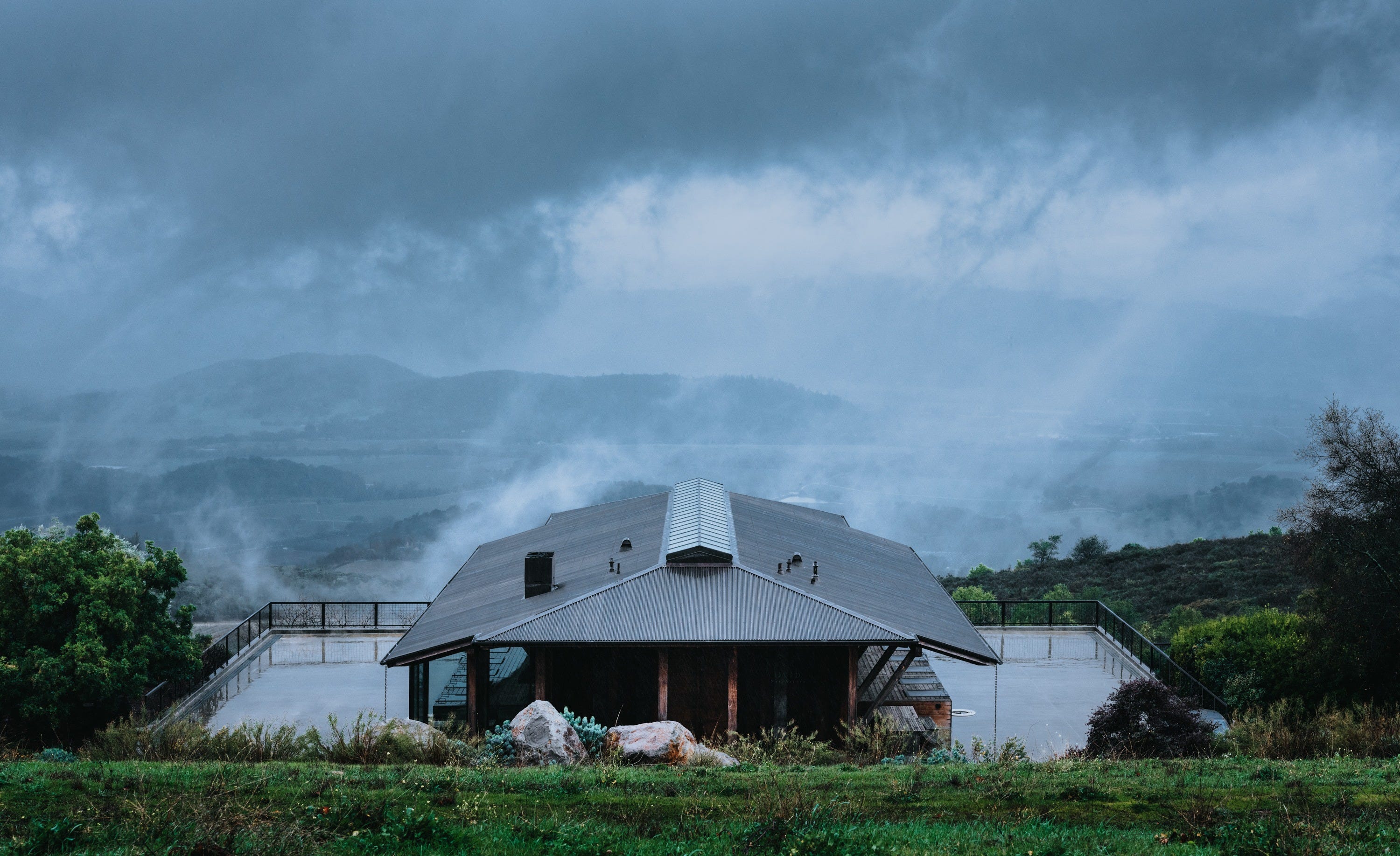
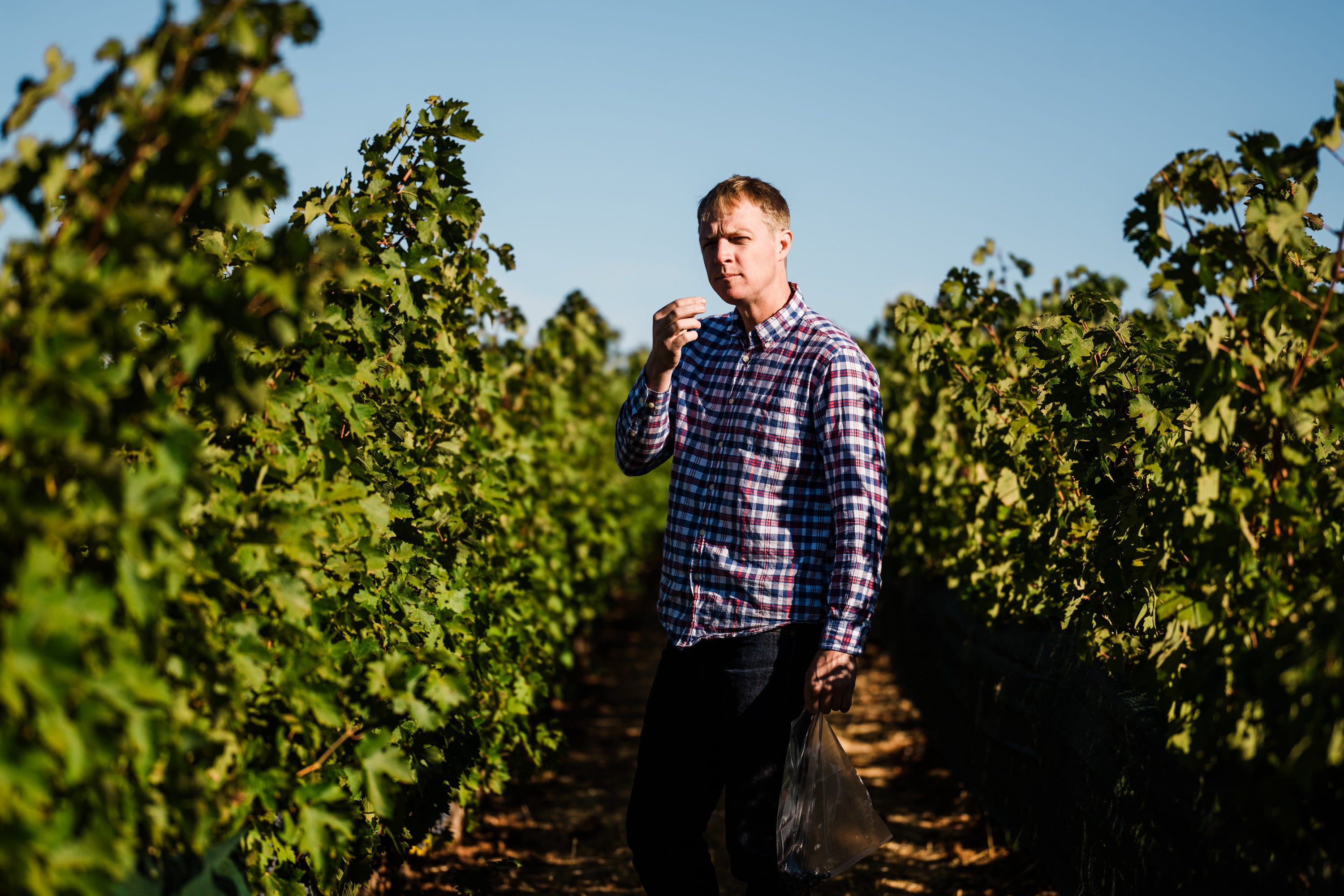
After discussing the whites in detail, the OVID reds came into action. Located on Pritchard Hill at 1,400 feet, you would think Deucalion and Pyrrha landed here instead of Mount Parnassus by how much rock is on, and surrounds, the estate. Named after farmer Charles Pritchard, who first planted grapes there in 1882, it is the most rugged and rocky side of Napa sporting red volcanic rock soils. What’s interesting is that the property was all virgin land at the time it was discovered, meaning nothing else had been planted there before. Risky move in wine, where a vineyard takes years to produce its first harvestable grapes. But OVID came in at the right time as many cult producers began to zero in on the once-quiet Pritchard Hill. You have Screaming Eagle and Dalla Valle below, and serious neighbors like Colgin, David Arthur, Realm, Bryant Family Vineyards and more down the road.
But might’ve gotten the best slice of the pie: 75-acres right on the edge of the ridge line, offering the best views of Napa Valley while avoiding frost risk thanks to the steep cliff below where cold air runs off.
Despite the reputation, Pritchard Hill is not an AVA, so you rarely see “Pritchard Hill” on a bottle unless it’s Chappellet’s. True fact, the Chappellet family trademarked the name Pritchard Hill in 1971, which is why nobody else can use it on their labels, and the Chappellets haven’t been interested in registering it as an AVA.
Before Napa’s top viticulturist David Abreu could plant the vines in the early 2000s, the team spent a whole year rearranging 50,000 cubic yards of boulders (equivalent to 500 dump trucks) for the vineyard to be plantable. The original 15-acre vineyard lies within the 75-acre property limits, and is enclosed by those same rocks, with many others scattered throughout.
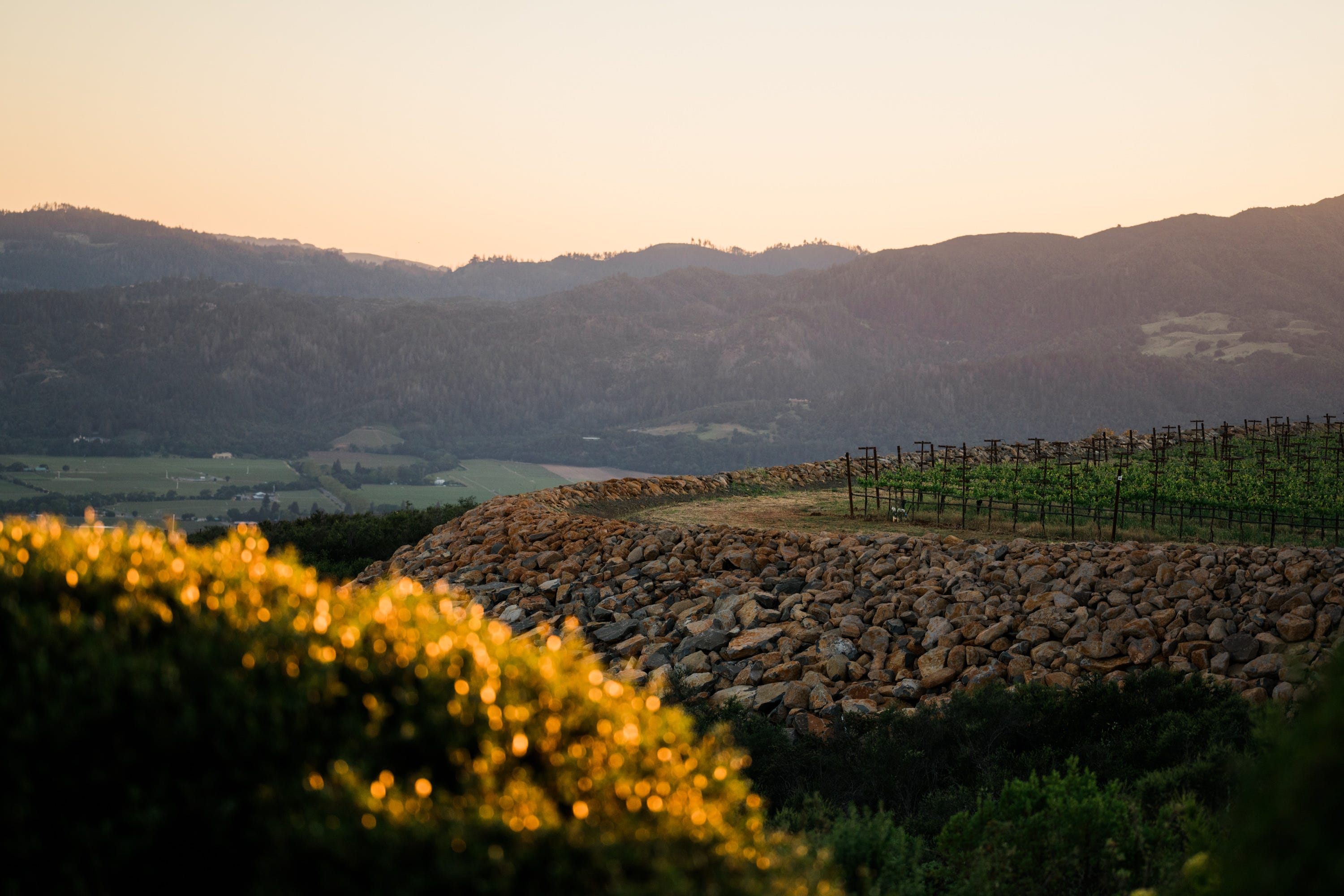
Abreu and his team planted Cabernet Sauvignon, Cabernet Franc and one block each of Petit Verdot and Merlot, all of which make up the flagship Bordeaux blend. Winemaker Austin Peterson has been capturing the estate’s expression since the debut 2005 vintage, along with guiding OVID’s evolution and transformation over two decades now. He is what we believe to be the Pritchard Hill whisperer at this point. And the one working hardest to preserve its future with a long term vision that puts climate adaptability, heat resilience, and minimal intervention at the forefront of all decisions.
Heavily inspired by Bordeaux’s Right Bank, Austin and OVID installed custom poured-in-place cement tanks designed by the same masons as Petrus, which house specific parcels of the blocks which are later blended. Having worked alongside the late Michel Rolland in Pomerol, Austin’s blending talent is nothing short of remarkable, and it comes out in the perfectly balanced wines cherished by many.
The first red we tasted was the 2022 Red Experiment N7.2. comprising 69.01% Cabernet Sauvignon, 18.64% Cabernet Franc, 6.19% Merlot, 6.16% Petit Verdot. Austin launched the ‘Experiment Series’ as a way to explore the property, grapes and the subject of wine itself. They vary dramatically each year and only the most compelling are strictly bottled for the allocation list.
“My father, who was also a winemaker, told me early on that great winemaking is constant experimentation,” Austin once said. “Every vineyard and cellar have their own needs and protocols to maximize the potential of the wines. But there wasn’t any history at OVID to draw on, so we needed to try things in a variety of ways, to understand how to make the very best wines possible.”
Stephen described it as a ‘complete wine’ that doesn’t need food to go with it. It’s all there, acid, soft tannin, fresh aromas and black cherry flavors that are ready to enjoy right now. The merlot gives this wine a round texture while the Cabernet Franc and Cabernet Sauvignon weave floral aromas and a mix of ripe red and black fruit.


The 2022 Hexameter is OVID’s Cabernet Franc-centric blend. It was born out of the Experiment Series program and solidifies Austin’s belief that Cabernet Franc holds the key to Pritchard Hill’s purest expression of sage brush, bay laurel and wild herbs. The wine showcases freshness and vibrancy, held together by a lean spine of black fruit and intoxicating violets. It does not overload the palate and would be an easy pick to convince those who hate on California to come to the Pritchard Hill side.
The final wine in the lineup was the flagship Cabernet Sauvignon-centric blend: 2022 OVID Napa Valley. It is impossible to ignore this wine. It coats the palate from all directions with a hallmark silk-wrapping of fine grained tannins, exuding powerful waves of cassis and red fruits. Polished and layered with a balanced mix of savory herbs and subtle cocoa, it’s memorable with each sip. We were evenly split on which wines stole the night, but all showed at the top of their game and why this estate is worth adding to the cellar.
For those headed to Vinous Icons Miami November 12-14, be sure to check out OVID Napa Valley and get a taste of the best from Pritchard Hill.
Our next tasting in October will explore all Bordeaux First Growths. Stay tuned and thanks for reading!